All Regarding Psychotomimetic Substances: Their Function in Psychological Research
Psychotomimetic compounds, such as LSD and psilocybin, have gathered increasing rate of interest in psychological research study for their ability to duplicate psychotic symptoms and give insight right into different mental wellness disorders. Their communications within the brain, particularly through serotonin and dopamine paths, suggest a complex partnership in between awareness and neurobiology that may open unique restorative methods. As researchers remain to explore their possible applications, ethical factors to consider bordering their use in professional settings become vital, elevating vital inquiries concerning safety and security and informed approval that call for more expedition.
Definition of Psychotomimetic Compounds
In the world of psychological research, psychotomimetic compounds are compounds that can cause impacts appearing like those of psychosis, such as hallucinations, deceptions, and altered perceptions of truth - About Golden Psycho. These compounds can be categorized into different classifications, including hallucinogens, dissociatives, and specific stimulants, each creating unique mental impacts
The pharmacological action of psychotomimetic compounds frequently involves inflection of natural chemical systems, specifically those pertaining to serotonin, dopamine, and glutamate. For circumstances, compounds like lysergic acid diethylamide (LSD) mostly act on serotonin receptors, resulting in profound changes in sensory assumption and cognition.
The utility of psychotomimetics in research exists in their capacity to resemble psychotic signs and symptoms, supplying a design for understanding the hidden devices of psychotic conditions such as schizophrenia. By examining the effects of these substances, researchers can gain understandings right into the neurobiological and psychological procedures that add to psychosis.
Moreover, psychotomimetic compounds have been explored for their healing capacity in treating numerous psychological health and wellness conditions, including depression and anxiety, highlighting their dual role in both study and prospective medical applications.
Historic Advancement and Context
The exploration of psychotomimetic compounds has an abundant historical context that goes back to old human beings, where substances such as psilocybin mushrooms and peyote were utilized in spiritual and healing practices. These very early usages typically intertwined with spiritual routines, suggesting an extensive respect for the modified states of awareness generated by these compounds.
The mid-20th century noted a significant pivotal moment in the research study of psychotomimetic compounds, specifically with the synthesis of LSD by Albert Hofmann in 1938. The subsequent popularization of LSD in the 1960s militarized a wave of rate of interest in both its psychological results and prospective healing applications. Researchers started to investigate just how these materials could simulate psychotic states, providing understandings into mental disease.
However, the raising association of psychotomimetics with counterculture activities led to regulative reaction, finishing in the criminalization of most of these substances. Despite these challenges, the renewal of interest in the healing potential of psychedelics in the 21st century has triggered renewed read the article research study. This historical trajectory underscores the progressing perception of psychotomimetic substances, transforming from spiritual substances to subjects of scientific query and, potentially, therapeutic guarantee.
Systems of Action
Comprehending the systems of action of psychotomimetic compounds reveals the elaborate ways these substances interact with the brain's neurochemistry. These substances largely apply their impacts with modulation of neurotransmitter systems, particularly serotonin, dopamine, and glutamate. For example, many timeless psychedelics, such as psilocybin and LSD, largely work as agonists at serotonin 5-HT2A receptors, bring about modified understanding and cognition. This interaction not just influences sensory processing but additionally boosts emotional and introspective experiences.
In enhancement to serotonin, dopaminergic paths are substantially influenced by compounds like mescaline and particular cannabinoids, which can cause modified states of awareness and modifications in mood and motivation. Furthermore, the NMDA receptor enmity observed with compounds like ketamine highlights an additional path where psychotomimetics might generate dissociative states and extensive alterations in believed procedures.
The neurochemical waterfalls initiated by these communications result in complicated and multifaceted emotional effects. Comprehending these mechanisms is vital for both the improvement of emotional research study and the healing capacity of psychotomimetic substances, as they offer understandings into the underlying neural correlates of transformed states of consciousness.
Current Study and Applications
Recent investigations right into psychotomimetic substances have actually revealed a rebirth of rate of interest in their healing applications, specifically in the fields of psychiatry and psychology. Scientists have actually begun checking out materials such as psilocybin, LSD, and ayahuasca for their potential to reduce signs related to different psychological wellness problems, including depression, anxiety, and PTSD.
Medical tests have actually shown that, when carried out in regulated settings, these substances can promote extensive emotional experiences, advertising psychological developments and improved restorative end results. Studies have actually revealed that psilocybin-assisted therapy can lead to significant reductions in treatment-resistant depression, with results lasting for numerous months post-treatment.
Additionally, psychotomimetic compounds are being evaluated for their capacity to promote neuroplasticity, potentially enabling even more efficient rewiring of maladaptive thought patterns. These searchings for suggest that such compounds might function as Find Out More accessories to conventional psychotherapeutic approaches, improving the efficacy of healing treatments.
As research proceeds, the emphasis is shifting in the direction of comprehending the optimal does, therapeutic setups, and individual characteristics that can optimize the advantages of these compounds. This burgeoning area holds pledge for revolutionizing psychological health therapy standards and addressing the constraints of standard psychiatric medicines.
Ethical Factors To Consider in Research Study

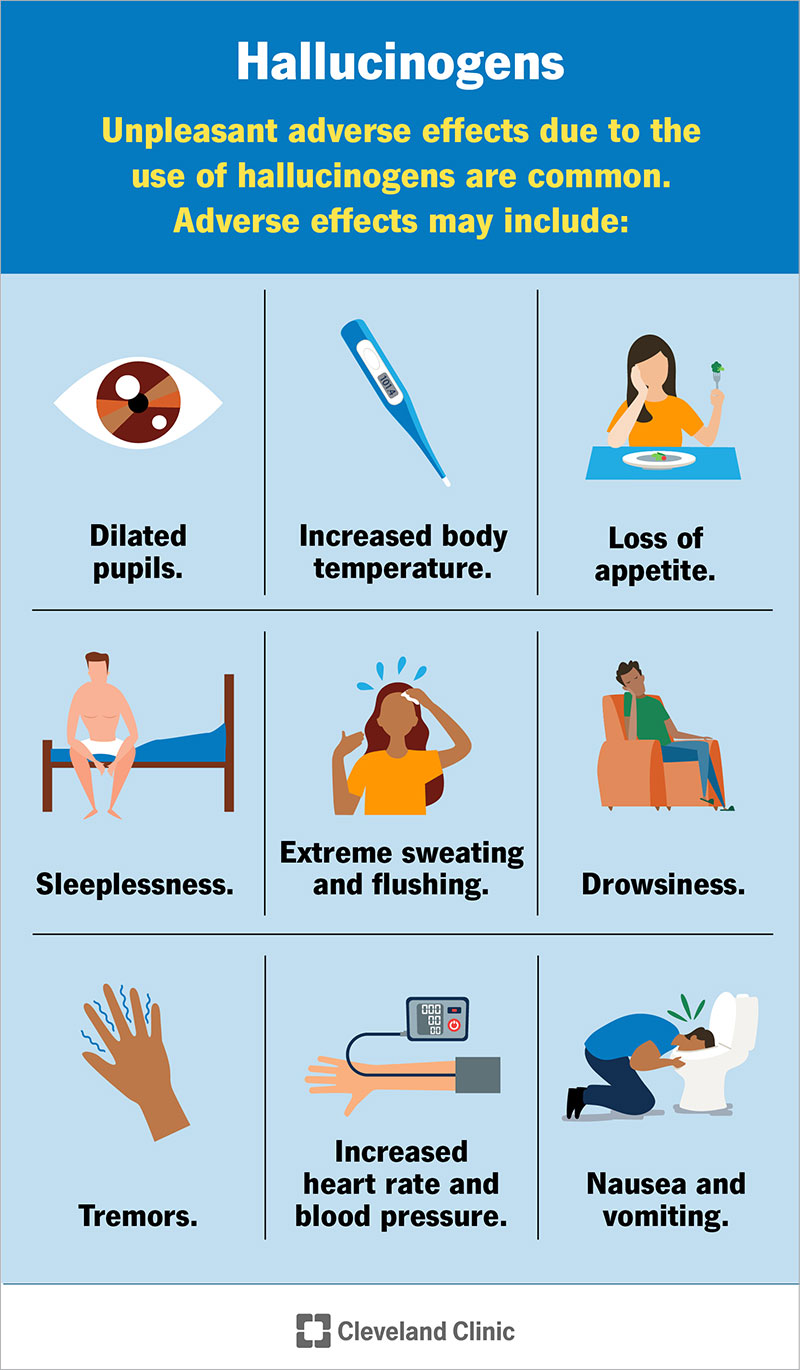
Browsing the honest landscape of research entailing psychotomimetic substances is important to making sure individual security and the stability of study results. Researchers have to focus on educated permission, ensuring that individuals completely understand the possible risks and advantages associated with the materials being examined. This consists read review of offering thorough information concerning possible emotional effects, consisting of acute and long-lasting influences, and permitting participants the possibility to withdraw from the study any time without fine.
IRBs assess research study methods to guard individual well-being and promote ethical standards. Additionally, the possibility for threat must be thoroughly evaluated, especially when vulnerable populations are involved.
Confidentiality is another critical consideration. Researchers should implement durable measures to shield individuals' identifications and information, particularly given the sensitive nature of experiences connected with psychotomimetic substances (About Golden Psycho). Inevitably, a dedication to honest practices not just fosters depend on between researchers and individuals yet likewise enhances the reliability and validity of the study results, adding to the advancement of mental knowledge
Verdict
To conclude, psychotomimetic compounds, specifically traditional psychedelics such as LSD and psilocybin, offer significant understandings right into psychological problems with their distinct devices of activity. Their therapeutic possibility in attending to conditions like anxiousness and PTSD highlights the importance of ongoing research study in this field. Nonetheless, making certain ethical criteria in research study practices is vital for participant safety and educated permission, enabling an accountable exploration of these compounds' advantages and ramifications within psychological scientific research.